
When to Take Your Pet to a Local Pet Hospital Instead of a Vet Clinic
Pet owners often use the terms veterinary clinic and pet hospital interchangeably, but the services available at individual facilities can differ. Some providers focus mainly on routine appointments, while others offer diagnostics, surgery, urgent care, dental services, and preventive medicine in one location. The name alone does not guarantee what a facility provides, so the practical question is whether the provider has the appointment access, equipment, and medical capabilities your pet may need. Understanding when broader care could be useful can make decisions easier when a routine concern becomes urgent.
When Your Pet Has a Sudden Illness or Injury
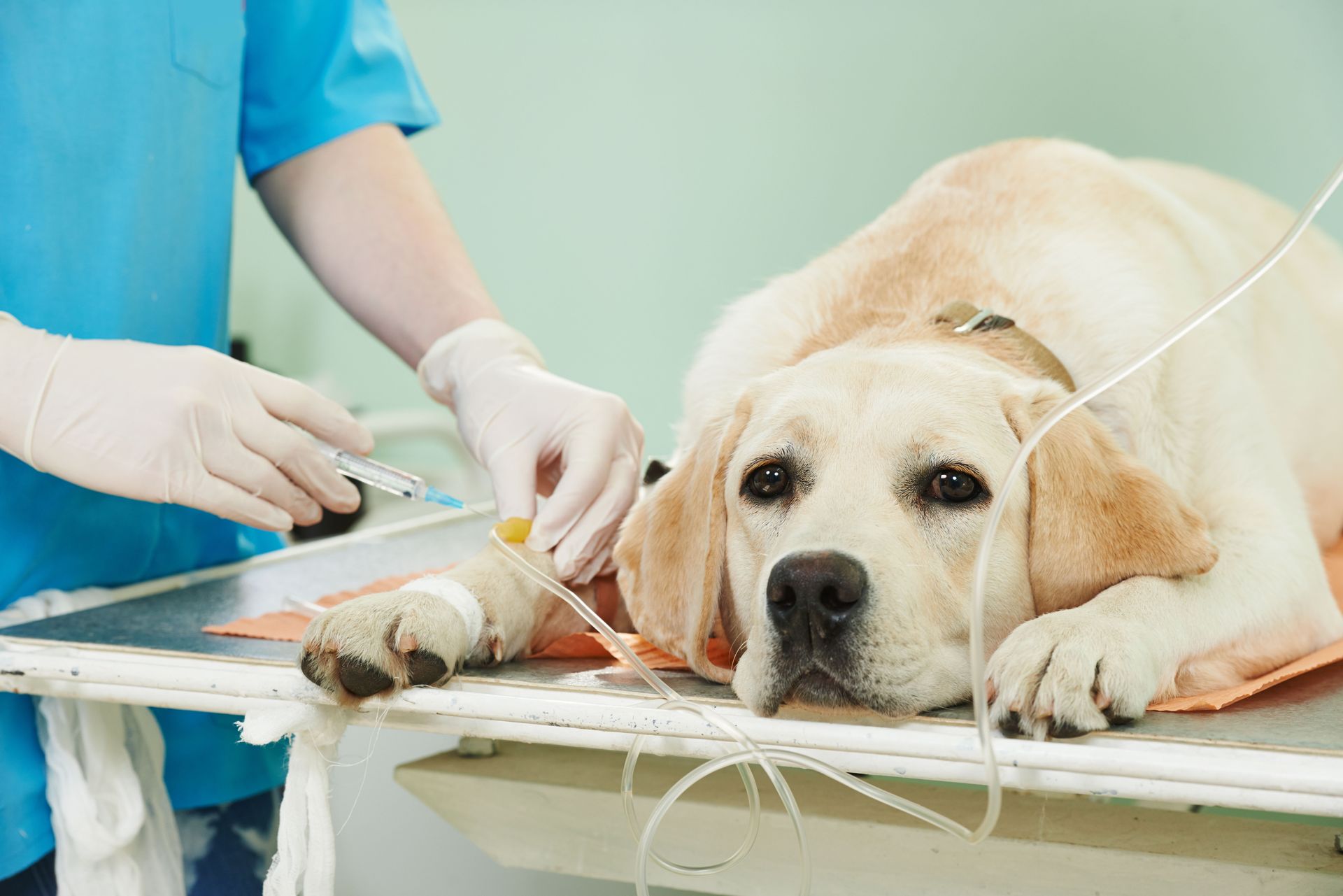
A routine clinic appointment may be appropriate for a stable concern that can wait for a scheduled visit. A sudden illness or injury, however, may require faster veterinary evaluation. A local pet hospital that offers same-day appointments, walk-ins, and emergency services during working hours can provide another option when waiting several days is not reasonable.
Urgent situations can be stressful because pet owners may not know how serious the condition is or what care will be needed. Calling ahead allows the staff to explain whether the facility can evaluate the problem during its current hours and provide guidance about bringing the pet in safely. It can also help the team prepare for arrival.
Emergency availability should never be assumed based only on the word "hospital." Hours, appointment policies, and services vary. Pet owners should confirm that the facility handles urgent cases at that time, especially outside normal business hours. Urgent access may also help the veterinarian determine whether another available service is needed.
When Diagnostic Imaging May Be Necessary
Some health concerns cannot be evaluated fully through observation and a physical examination alone. When a veterinarian needs more information, available diagnostic tools such as X-rays may support the evaluation. A local pet hospital with in-house imaging and other diagnostic tools may be practical when the pet's symptoms could require more than a routine checkup.
Access to imaging can reduce the need to schedule a separate visit elsewhere. The veterinarian can examine the pet, consider its health history, and determine whether an X-ray or another available diagnostic step is appropriate. Keeping these services within one facility may also simplify communication about the examination and diagnostic findings.
According to Ciro.io, there are 21,226 veterinary practices across the United States. Pet owners should therefore compare actual capabilities rather than relying entirely on labels. Asking whether a facility provides X-rays, advanced diagnostics, same-day appointments, or surgical care can show whether it is equipped for the pet's immediate needs.
When Surgery Might Be Part of the Care Plan
A pet may need a surgical procedure as part of routine care or because of a more involved medical concern. Spaying and neutering are common examples, but some pets may require a more complex surgical intervention. A facility that provides both medical evaluation and surgery can manage more of the process in one place.
Choosing a local pet hospital may be useful when a pet needs medical evaluation, available diagnostics, and surgical care within the same facility. The veterinarian can explain the recommended procedure, discuss the pet's condition, and outline what owners should expect before and after the operation.
Pet owners should still ask what surgical services are available and whether the facility performs the specific procedure their pet may need. No veterinary provider performs every type of surgery. Confirming the hospital's scope before the appointment helps prevent delays and creates clearer expectations about evaluation, treatment, and available post-operative guidance.
When surgery is performed, patient safety and comfort remain important throughout the procedure. Spay and neuter services may also include post-operative care intended to support a smoother recovery. Owners should follow the instructions provided for their pet and contact the veterinary team when questions arise.
When a Dental Concern May Require Treatment
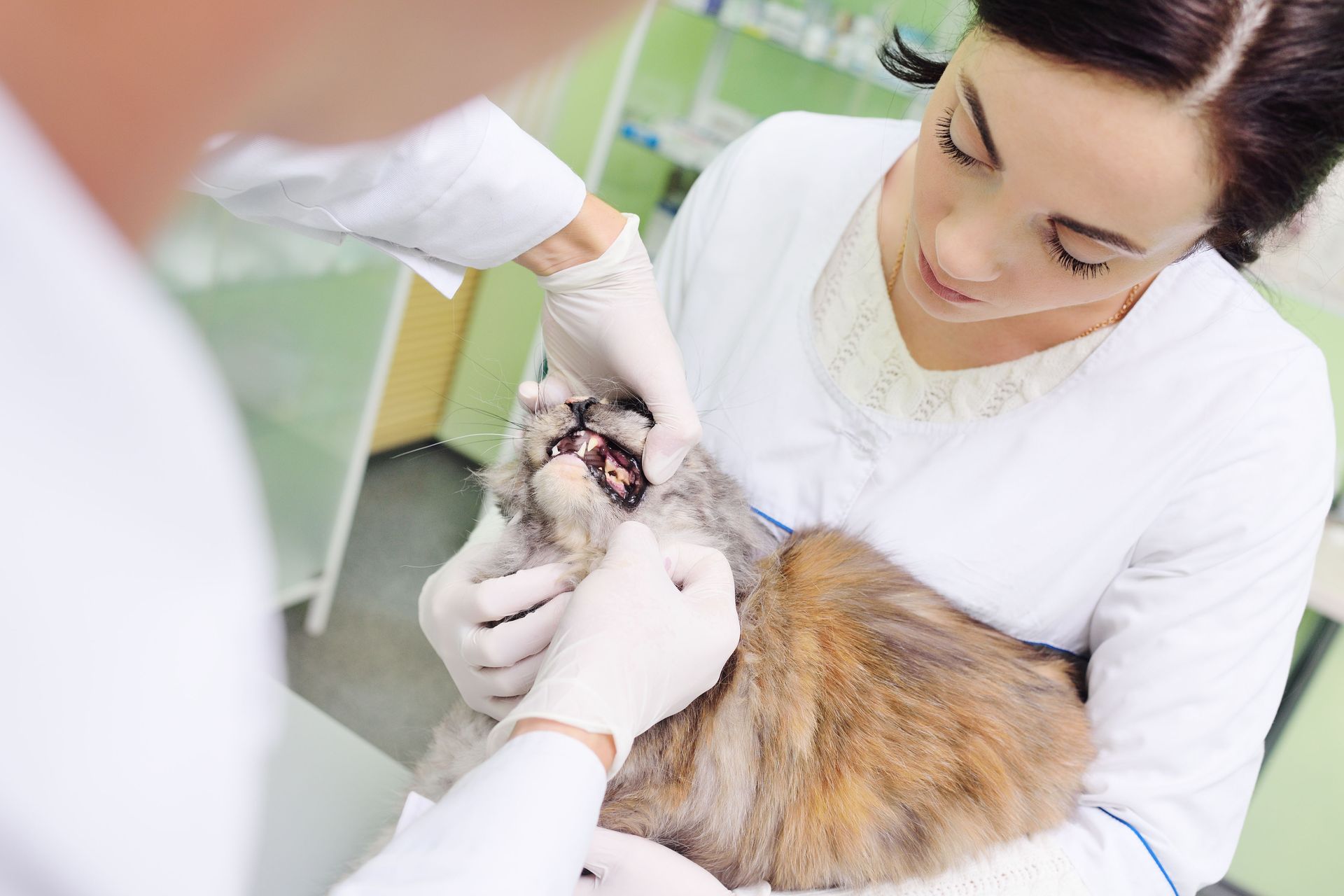
Pet dental care can involve more than a quick look at the teeth during a routine visit. Cleanings, extractions, and preventive treatments may be needed when a veterinarian identifies a dental concern. A provider that offers comprehensive dental services can evaluate the pet's mouth and recommend care for the identified problem.
Because dental health affects comfort and overall well-being, concerns should be discussed with a veterinarian rather than left unaddressed. A local pet hospital with dental care and broader veterinary services can provide cleanings, extractions, preventive treatments, and medical support within the same facility.
The right destination depends on the concern and the services available. A clinic that performs dental procedures may be fully appropriate. The reason to consider a hospital is not the label itself, but the ability to access dental care, diagnostic support, medical evaluation, and other necessary services in one place. Regular dental checkups may help identify concerns before they become more difficult for the pet and support ongoing comfort.
When an Ongoing Condition Needs Broader Support
Some pets need more than a single appointment to address an ongoing concern. Allergies are one example because they may involve diagnostic testing, a treatment plan, and continued management. Symptoms may affect the skin, breathing, or general comfort, and the appropriate response can depend on what is triggering the problem.
A local pet hospital that provides allergy care and comprehensive veterinary medicine may be useful when the pet needs evaluation beyond short-term symptom relief. The veterinarian can review the pet's history, assess the current problem, and develop a plan tailored to the pet's needs. Ongoing management provides continued veterinary support as the pet's condition develops.
The same principle applies when health needs cross several service categories. A pet may need medical care, diagnostic testing, vaccinations, dental treatment, or surgery at different points in life. Receiving these services from one provider may make it easier to discuss previous findings and care decisions with the veterinary team.
When You Want Routine and Urgent Care in One Place
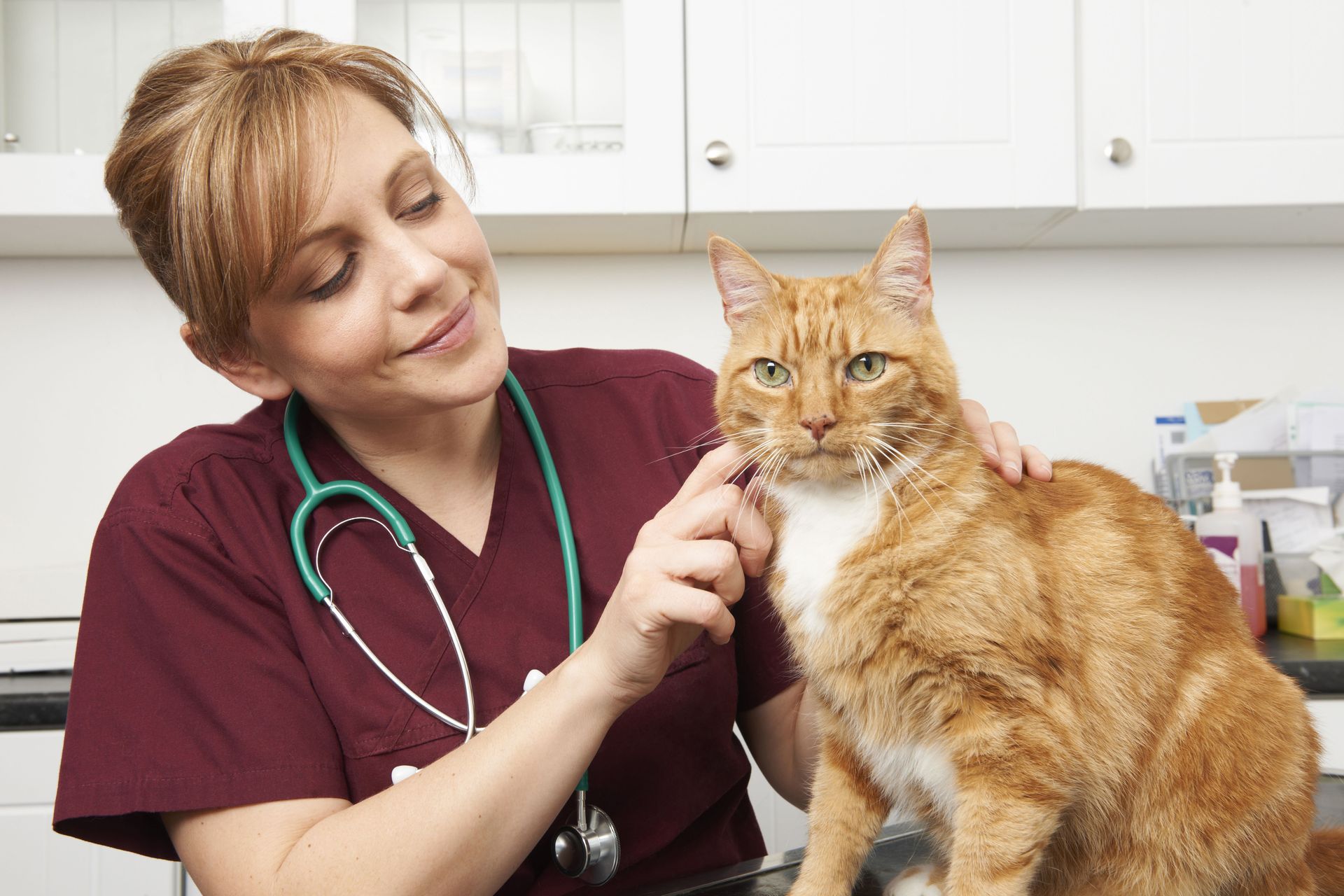
A pet hospital is not only for urgent or complicated situations. Many hospitals also provide wellness exams, vaccinations, preventive care, spaying and neutering, and dental checkups. Establishing routine care at a local pet hospital can be helpful when pet owners want a provider that can continue supporting the animal if its needs become more involved.
Wellness exams create opportunities to review health history, perform a physical examination, discuss diagnostic testing, update vaccinations, and develop a preventive plan based on the pet's age, lifestyle, and risk factors. Puppies, kittens, healthy adults, and senior pets may have different visit schedules and preventive needs.
Using one facility for routine and more advanced care does not mean that every pet must choose a hospital over a clinic. Many clinics provide excellent, comprehensive care. The deciding factor should be whether the provider offers the access and services that fit the pet's situation, including same-day visits, urgent evaluation, imaging, surgery, dental care, and ongoing medical management.
Choose the Facility Based on the Care Your Pet Needs
The difference between a pet hospital and a veterinary clinic is not always clear from the name. Pet owners should look at what the facility actually provides, how quickly appointments are available, whether urgent cases are accepted, and whether diagnostic, surgical, dental, and preventive services are offered in one place. Calling ahead is especially important when a pet has a sudden illness or injury.
South Coast Veterinary Hospital provides comprehensive veterinary care in Laguna Niguel and Southern Orange County, including same-day appointments, walk-ins, emergency services during working hours, X-rays, diagnostic tools, surgery, allergy care, dental services, vaccinations, spaying and neutering, and wellness exams. Its range of routine and advanced services allows pet owners to seek care within one facility while receiving guidance based on their pet's individual health needs.

Share On: