
4 Ways to Tell If Your Pet Needs Dental Care from a Pet Hospital
In this article, we delve into the various indicators that suggest it’s time for your pet to visit a professional pet hospital for dental care. Understanding these signs can help you take better care of your pet’s oral health, ensuring they lead a pain-free and happy life. Poor oral hygiene in pets can lead to multiple health issues, making it critical to recognize these warning signs early. According to Vet Times, 80% of animal patients over the age of three require dental treatment in 2026. This comprehensive guide will walk you through how to identify when your pet’s dental health may be at risk and what actions you can take. Remember, proactive care is key to warding off potential health complications and ensuring longevity for your beloved pets.
1: Recognizing Bad Breath in Pets
When Bad Breath is More Than Just Diet
Bad breath, or halitosis, is a common problem among pets that is often overlooked. Many pet owners assume that it is solely related to their pet’s diet. While diet can play a role, persistent bad breath can indicate more serious health issues requiring immediate attention from pet hospitals. Oral bacteria can produce odors that are a sign of disease or dental decay. Hence, understanding the nuances of bad breath can help you distinguish between normal and abnormal oral hygiene issues in your pet.
Identifying Consistent Bad Odors
Consistent bad odors coming from your pet's mouth can signify serious dental issues. If your pet’s breath smells foul beyond a specific food-related smell, it may indicate periodontal disease or an underlying systemic condition. Consistent bad breath may also be a precursor to more significant health problems that need veterinary intervention. Unlike occasional halitosis, chronic bad breath should never be ignored, as it might be a sign of infection or disease. Thus, identifying and reacting to these consistent bad odors can prevent further complications.
The Link Between Diet and Dental Health
A pet's diet significantly influences its overall dental health. Foods high in sugars and carbohydrates can contribute to plaque and tartar buildup, which exacerbates bad breath. Certain types of pet food are designed to promote oral health, while others may increase the risk of dental issues. Understanding the correlation between diet and oral hygiene can help you make more informed decisions about your pet’s dietary habits. Regular consultations with pet hospitals can help guide on choosing the best dietary options for maintaining optimal oral health in your pet.
2: Observing Changes in Eating Habits
Pets That Chew on One Side Only
Pets that consistently chew on one side of their mouth may be signaling dental distress. This habit can indicate discomfort due to a fractured tooth, gum disease, or abscesses. The side preference is often an unconscious behavior to avoid pain, prompting the pet to adjust their eating method. Observing such changes in chewing habits is essential for identifying underlying dental issues. If your pet exhibits this behavior, it's critical to consult with a veterinarian for a thorough dental examination.
Signs of Pain During Eating
Experiencing pain while eating can be distressing for pets and can often go unnoticed. Watch for signs such as whining, reluctance to eat, or dropping food while consuming. These behaviors can be indicative of oral pain or dysfunction. Identifying these subtle signs early can assist in diagnosing and addressing the root cause before it escalates. A timely intervention by staff at local pet hospitals can provide relief for your pet and improve their quality of life.
Reluctance to Eat Certain Types of Food
A sudden reluctance to eat particular types of food, especially harder varieties, often indicates dental pain. This behavior can point to issues like loose teeth, infections, or severe gingivitis. Understanding your pet's normal eating habits can help identify when something is amiss. Owners should notify modern pet hospitals if such a scenario arises to initiate diagnostic procedures and appropriate treatment. Early detection and treatment can help restore comfort and proper eating habits in pets.
3: Detecting Visible Signs in the Mouth
Red and Swollen Gums
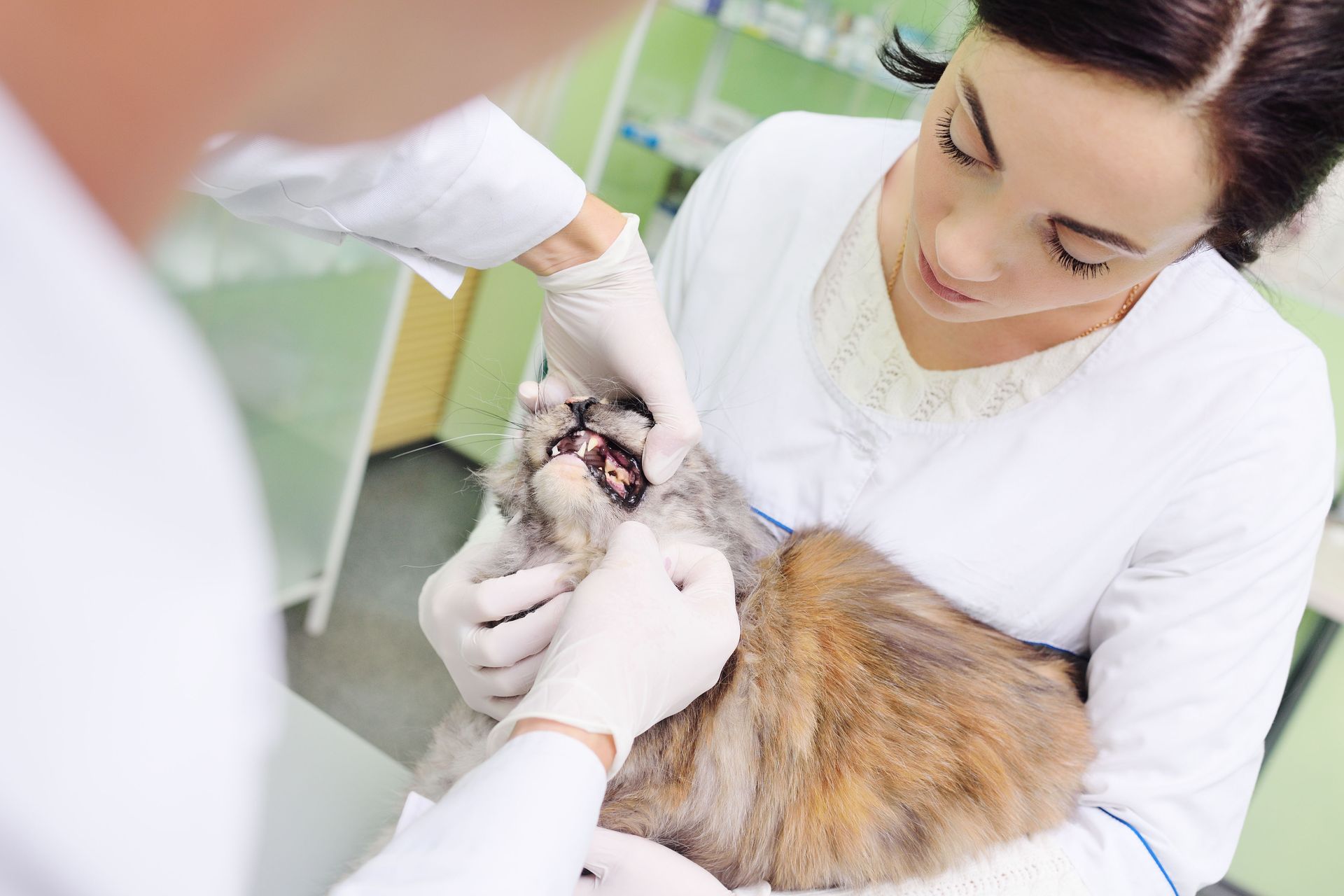
Red, swollen, or bleeding gums are telltale signs of periodontal disease in pets. Gum disease can develop into severe health issues if left untreated, impacting a pet’s overall well-being. Regularly inspecting your pet's gums and identifying redness or swelling can facilitate early veterinary intervention. Dental problems that start with slight gum inflammation can rapidly progress to more serious conditions. Ensuring routine oral inspections can lead to timely treatment and healthier gums.
Presence of Tartar and Plaque
Tartar and plaque buildup are other visible indications of insufficient dental care. Left unchecked, this accumulation can result in gum disease and tooth decay. Regular cleaning from pet hospitals can prevent these conditions by removing deeply embedded tartar. Home care, such as brushing, should complement professional cleanings to maintain optimal dental health. A clean mouth not only prevents disease but also enhances your pet’s quality of life.
Fractured or Missing Teeth
Fractured or missing teeth in pets often result from trauma or severe dental disease. These conditions can cause significant pain and affect a pet's eating habits. Identifying and addressing these problems promptly can prevent further damage and complications. Regular evaluations at pet hospitals are essential to diagnose and repair or extract damaged teeth as needed. By doing so, you ensure that pets remain pain-free and maintain their ability to chew food properly.
4: Behavioral Changes as Indicators
Increased Aggression or Irritability
Behavioral changes such as increased aggression or irritability can indicate dental discomfort in pets. Pain and discomfort from oral conditions can affect a pet’s temperament, leading to unwanted behavior changes. Understanding and recognizing these shifts in demeanor can alert owners to potential dental problems. Ignoring such behavioral cues can result in the escalation of both health and behavioral issues. Prompt veterinary assessment can address both the source of pain and associated behavioral changes efficiently.
Avoidance of Physical Affection
Pets that suddenly shy away from physical affection or head petting may be experiencing dental pain. Avoidance could be their way of protecting sore areas from being accidentally pressured or agitated. Recognizing this behavioral change can prompt a much-needed dental evaluation by a vet. Understanding the reasons behind altered interactions can help pet owners respond with empathy and appropriate actions. Attending to such signs ensures common oral issues don't diminish the quality of life of your pet.
Lethargy and Lack of Playfulness
Lethargy and a lack of playfulness can often mask dental pain that pets endure silently. Disinterest in activities they usually enjoy could indicate serious oral health concerns. Vets are trained to recognize the connection between dental pain and overall activity levels in pets. Addressing oral health issues can revitalize energy levels and restore your pet’s playful nature. Timely dental care interventions at equipped pet hospitals are crucial for maintaining an active and healthy lifestyle for your pet.
Diligent observation and action are key to maintaining your pet’s dental health. By understanding these signs and ensuring regular dental visits, you can help your pet lead a healthier, happier life. Oral health significantly influences overall well-being, highlighting the importance of timely veterinary intervention. Preventative measures reduce the incidence of serious health issues arising from dental neglect. Taking appropriate action today promises a pain-free tomorrow for your cherished furry companion. Contact South Coast Veterinary Hospital today to schedule your pet’s dental exam and ensure their smile stays healthy and pain-free.

Share On: